Product feedback
Hannah Lee
Content-led consumer

TikTok shopper
00:34
Show me the routine, not just the finished result.
Product response
Live signal
UGC
Turn real consumer conversations into reusable agents for decisions before you spend.
Real interviews
Grounding
Reusable agents
Research memory
Reviewed memo
Decision output
Content-led consumer
Show me the routine, not just the finished result.
Bulk-value evaluator

Likes unit savings, but rejects packs that create commitment regret.
Design-sensitive consumer

Accepts a premium when the object feels display-worthy and the story stays quiet.
Busy parent

Routine optimizer

Pays for calm packaging, visible hygiene cues, and clear dosage steps.
Review scanner

I would check the one-star photos before I believe the leak-proof claim.
Eco-pragmatist

Likes lower waste only when the price and shelf footprint remain sensible.
Small-space planner

Rejects bulky packs and rewards designs that disappear into a cabinet.
Ingredient comparer

Needs a clear switching reason before leaving a trusted incumbent.
Shelf comparer

Decides in seconds at shelf and only notices one concrete benefit.
Content-led consumer
Show me the routine, not just the finished result.
Bulk-value evaluator
Likes unit savings, but rejects packs that create commitment regret.
Design-sensitive consumer
Accepts a premium when the object feels display-worthy and the story stays quiet.
Busy parent
Routine optimizer
Pays for calm packaging, visible hygiene cues, and clear dosage steps.
Review scanner
I would check the one-star photos before I believe the leak-proof claim.
Turn an open question into a clear opportunity brief.
Compare routes with consistent consumer layer.
Resolve the offer elements that still need evidence.
Test whether the story is understood and trusted.
Surface blockers before inventory and media spend.
Bring market signals back into the next decision.
Evidence coverage
Four source layers ready for modeling
The Simulation Platform for New Idea Testing
Apply for Beta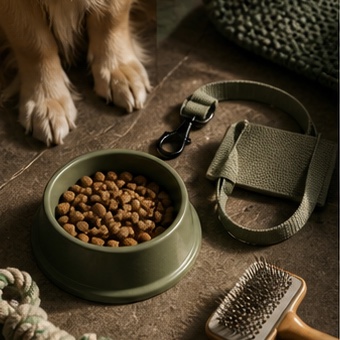
What the dog finishes and what gets left in the bowl — two different product signals.
View category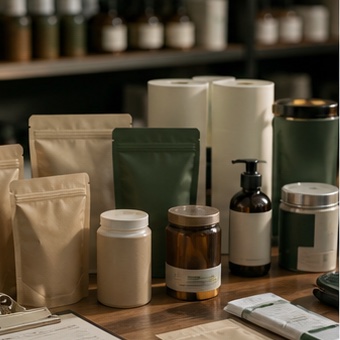
Which 3 SKUs a store should carry, and which 1 it should drop.
View category
Which photo style earns a save, and which size drives a return.
View category
What consumers say they believe, what they actually use at home, and what they will pay 30% more for.
View category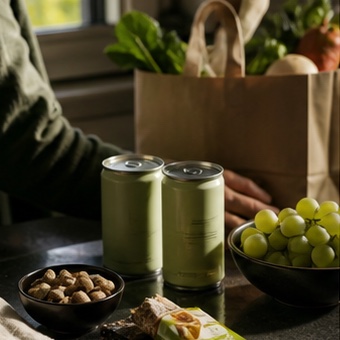
Which meal and which moment the product wins, and what kills repeat after week 2.
View category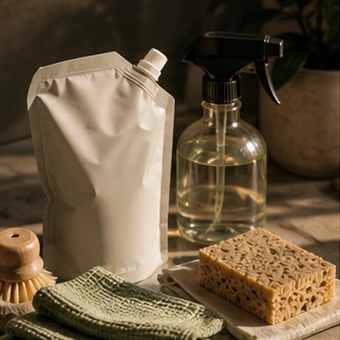
Which pack wins the shelf, and which old habit it has to break to win.
View category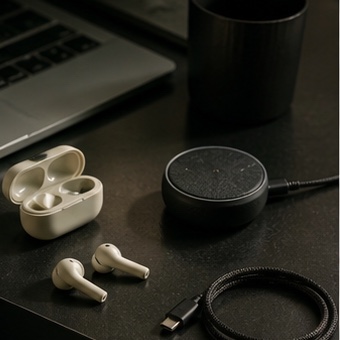
Which spec a consumer will quote to a friend, and which one they scroll past.
View category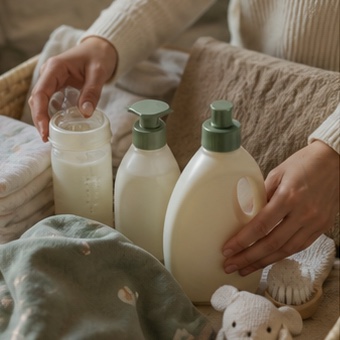
Which ingredient a parent types into search, and what answer they need to see.
View categoryWhat the dog finishes and what gets left in the bowl — two different product signals.
View categoryWhich 3 SKUs a store should carry, and which 1 it should drop.
View categoryWhich photo style earns a save, and which size drives a return.
View categoryWhat consumers say they believe, what they actually use at home, and what they will pay 30% more for.
View categoryWhich meal and which moment the product wins, and what kills repeat after week 2.
View categoryWhich pack wins the shelf, and which old habit it has to break to win.
View categoryconsumer-intelligence-pilot
No. Real consumers stay in the loop. NovoChoice turns what they teach you into reusable consumer intelligence, then points the team to the next real validation.